
What do you do after the snowball? I learned almost all of my budgeting foundation from Dave Ramsey, there are a few tenets I still practice; zero based budgeting, snowball method, avoidance of debt in general, sink funds, envelopes, and focusing income on singular goals (which I am trying to strategically break myself from). But the focus is on paying off your debts. The instructions on the “proper” order are fairly clear. If you happen to have any questions, in the case of Dave Ramsey there are a myriad of books, a podcast, his course, and numerous coaches that can be sought out. All, or any, of these resources can help you determine if special circumstances allow for deviation from the prescribed steps. But what do you do after the debt is paid off? Even Dave Ramsey’s Baby Steps are no longer clear. The last four steps can be done in any order you feel is necessary. What money goals are you supposed to focus on next? What really is supposed to take precedence?
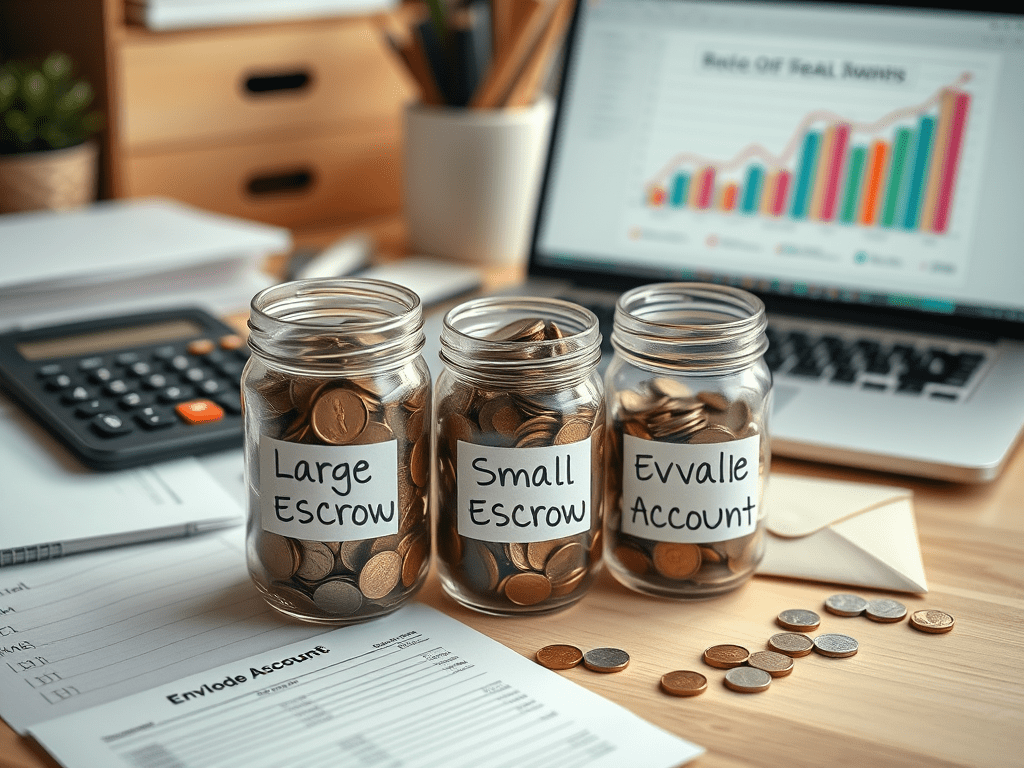
I ended up creating a, unintentionally, the approach of chronological proximity and total amount being taken into consideration. I made three separate accounts in addition to the emergency fund. Sometimes I feel fancy and call them escrow accounts instead of sink funds.
Large Escrow – this account contains the large expenses that will be experienced throughout the year that must be paid. Our property taxes. Property insurance. Life insurance. Disability insurance. Pest and HVAC preventative care. Annual veterinarian visit and monthly pills.
Small Escrow – this is for smaller expenses and/or annual expenses that we can skip. Holidays, birthdays, subscriptions can all be canceled. Going to a festival, and spending money for a biannual consignment event. Taxes; no this one can’t be canceled. If absolutely necessary we can file taxes on our own. Taxes can also be done at one of the box locations where they take the owed amount from the refund.
Envelope account – I picked a random amount of money for clothing, toiletries, house care, and over the counter medicine.
These three accounts are meant to be a back up. If can’t cash flow any of the expenses and still want or have to do them we’ll have the funds. It also helps to have the money in case I fail to put them in the budget. Sometimes annual events get overlooked.
I just worked my way out from those three accounts. They are annual expenditures and highly important. It’s how we determine the order of our annual goals. Which will be needed first. Which is of high importance.
P.S. If this was useful my one-page Sinking Funds Tracker is in the shop, or you can tip on Ko-fi or PayPal. One tiny move is progress.
This post reflects my personal experience and opinions. I share our real-life money – rounded numbers, personal choices, (tiny) next steps. It is not financial advice. I’m not a financial advisor. Budgeting and money topics are shared for education and entertainment only. Your situation is unique; verify details before acting. Small steps count.
Personal experiences only—this isn’t professional advice. See Disclosures and Terms.






 Lacking a Nail
Leave a comment